
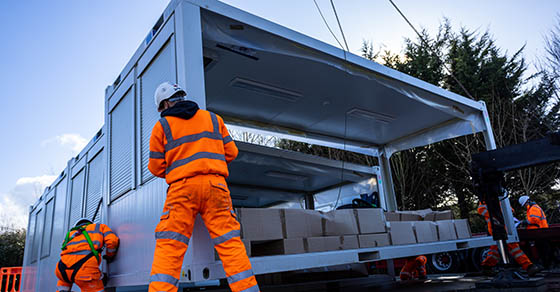
Modular building remains a rising force in construction
Simply defined, modular building is a construction method in which full volumetric modules or major structural components are manufactured off-site and then assembled on-site. Recent improvements in automation, factory production and design tools driven by artificial intelligence are keeping it a rising force in construction.
Persistent potential
There are various reasons why modular continues to make inroads in key markets. Standardized manufacturing processes and efficient materials use substantially cut costs. Factory settings, along with rigorous inspections, help ensure consistent quality. And because modules and components are built remotely while sitework occurs simultaneously, project timelines are significantly streamlined.
In addition, modular delivers notable environmental benefits by producing less waste and enabling easier materials recycling. These factors may open the door to sustainability incentives, tax benefits for energy efficiency and state-level credits. Plus, controlled factory environments tend to be safer and more efficient, boosting productivity for modular manufacturers and supporting better project outcomes for contractors.
You’re likely to encounter modular more frequently in certain sectors. It has a growing presence in the construction of single-family, multifamily and student residences. As demand rises, modular offers a speedy and cost-efficient way to deliver affordable housing.
It’s also gaining traction in commercial, institutional and industrial construction. Modular’s design flexibility and quick turnaround make it appealing for new builds and expansions in industries such as hospitality.
Continuing challenges
Despite its growth, several challenges continue to limit widespread adoption. One barrier is the learning curve. Modular requires a different approach to sequencing, staging and coordination. Project teams often need intensive retraining to develop new workflows, which can be time-consuming and costly.
From a financial standpoint, modular construction may alter typical cash flows and how a construction company allocates overhead. Because materials procurement and production occur earlier in the process, contractors often face more front-loaded capital demands. This can affect working capital needs and billing structures, prompting many construction businesses to revisit their estimating methods, job-costing models and cash-flow planning.
Another challenge is modular’s effect on certain skilled trades. Because modules are frequently preplumbed and prewired, on-site hours for trades such as plumbers and electricians are often reduced. Although this can be advantageous in a tight labor market, it may frustrate subcontractors or raise concerns among project owners.
And, of course, there’s transportation to consider. Project budgets can be strained if modules require additional permits, insurance or transportation support, or if the factory is located far from the jobsite.
How to ease into it
Should you decide to give a modular project a go, you can ease your construction company’s transition by setting realistic expectations and following best practices. Start by seeking out jobs designed specifically for modular. Work with architects and designers experienced in optimizing module sizes, structural requirements and transportation logistics.
Next, expect to collaborate early and often. Everyone involved in modular projects — from designers to manufacturers to contractors — typically must communicate from the get-go to ensure smooth integration and minimize delays.
Third, prepare for a heavy reliance on technology. Modular teams commonly use advanced design, manufacturing and assembly software to streamline coordination. You and key team members will need to be comfortable working in a digital environment.
Finally, if you intend to pursue modular jobs going forward, focus on workforce development. Consider investing in training programs that build your team’s proficiency with the proper modular techniques and support cost-effective project delivery.
Much momentum
Heading into 2026, modular’s momentum is expected to continue. That said, it won’t be replacing the traditional design-bid-build delivery method anytime soon. We’d be happy to help you evaluate modular’s costs, tax impact and strategic feasibility for your construction company.